
Understanding Basketball Fitness
Achieving top basketball fitness involves a approach that addresses various physical capabilities required for optimal performance on the court. Central to basketball fitness are four key components: endurance, strength, agility, and skill. Each of these elements plays a critical role in the overall athleticism necessary for success in basketball.
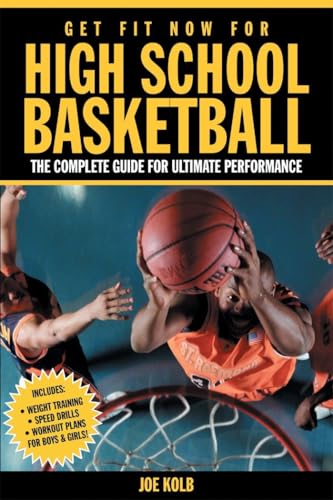

Endurance is paramount in basketball, as athletes must sustain high levels of exertion over the course of an entire game. This means developing cardiovascular fitness to enable players to run up and down the court without significant fatigue. Incorporating both aerobic and anaerobic conditioning will ensure players can maintain their intensity throughout the game.
Strength is another essential aspect of basketball fitness. Players need to develop muscle strength to effectively contend with physical challenges such as defending against opponents or battling for rebounds. A well-structured strength training program can improve overall power, enabling athletes to jump higher, sprint faster, and withstand physical contact during play.
Agility is vital in a sport characterized by rapid changes in direction, quick sprints, and the necessity for precise footwork. Training drills that focus on lateral movements and rapid accelerations can enhance this agility, preparing players to respond quickly to dynamic game situations.
Finally, skill development is intertwined with fitness training. Practicing shooting, ball handling, and defensive maneuvers will not only improve individual performance but also contribute to overall conditioning. Basketball-specific drills integrated into fitness regimens will ensure athletes are not only fit but also skilled in executing the techniques that define the game.
In summary, understanding basketball fitness means recognizing the blend of endurance, strength, agility, and skill that collectively enhance performance. Athletes must prioritize these components to reach their peak physical condition, ready to meet the unique challenges presented by the sport of basketball.
Setting Realistic Goals

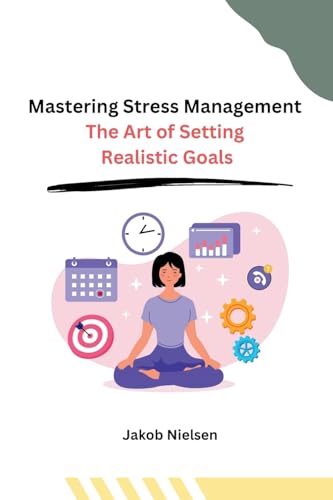


For young athletes aspiring to reach peak performance in basketball, setting realistic and clear goals is a critical first step in their fitness journey. Without defined objectives, it becomes challenging to stay motivated and track progress. An effective way to establish these goals is by employing the S.M.A.R.T framework, which stands for Specific, Measurable, Achievable, Relevant, and Time-bound.
Firstly, goals should be specific. Instead of stating a general aim like “I want to improve my basketball skills,” a young athlete should articulate exactly what aspect of their game they want to enhance. For example, a specific goal could be “I want to increase my free throw percentage by 10% over the next three months.” This specificity provides a clear target to aim for.
Next, making goals measurable allows athletes to monitor their progress objectively. This can be achieved by utilizing statistics or qualitative assessments. Keeping track of free throw percentages, assist records, or sprint times can help athletes to evaluate their development over time. Measurable goals also allow for adjustments in training regimens based on performance updates.
Moreover, goals must be achievable. They should challenge the athlete, yet remain attainable within the specified timeframe. Setting overly ambitious goals may lead to frustration and disappointment, which can be detrimental to motivation. Conversely, achievable goals can bolster confidence as progress is made, fostering a positive training environment.
Additionally, goals should be relevant to the individual’s skills and aspirations. A teen whose primary position is point guard, for instance, might focus on enhancing their dribbling and playmaking abilities rather than just scoring. Finally, ensuring that each goal is time-bound encourages accountability. Goals should have set deadlines, such as “by the end of the three-month period, I will have completed 50 shooting drills each week.” This sense of urgency can significantly enhance focus and consistency in training.
In summary, by applying the S.M.A.R.T criteria to goal setting, young athletes can create a structured and motivational framework that supports their fitness objectives and leads to improved basketball performance.
Creating a Training Schedule
Developing a structured training schedule is essential for any athlete striving to enhance their basketball skills and overall physical fitness. A well-balanced schedule should encompass strength training, cardiovascular workouts, skill drills, and lots of rest days to allow for recovery. Each plays a pivotal role in achieving peak performance on the court.

To begin, assess the athlete’s current fitness level and basketball skill set. An effective training schedule should be tailored to individual needs and timelines. Typically, a weekly framework can be constructed, where strength training is conducted at least two to three times a week. This can include exercises that focus on the legs, core, and upper body to improve overall strength and power, which are crucial for basketball performance.
Incorporating cardiovascular workouts is equally important. These sessions help to enhance endurance, allowing athletes to maintain high levels of performance throughout the game. Activities such as running, cycling, or circuit training should be integrated at least three times a week, ideally on days when strength training sessions are not conducted. This balance prevents overexertion and promotes recovery.
Skill drills should also be a priority and can be strategically placed in the schedule around cardiovascular days. Drills focusing on shooting, dribbling, and passing can be effective if practiced multiple times a week. Short, intense practices are often more beneficial than lengthy, less intensive sessions. It’s vital to evaluate progress regularly and adjust the schedule as necessary. For example, increasing the intensity or duration of workouts can be beneficial as the athlete develops their skills and endurance.
Lastly, dedicated rest days must be incorporated into the training schedule to allow the body to recover and prevent the risk of injury. Consistency is key to progressing effectively, and a structured approach will enable basketball athletes aged 12 and up to get in top shape within three months.
Strength Training for Basketball Players
Strength training is a vital component for basketball players, particularly for athletes aged 12 and up, as it enhances performance by building muscle strength, improving endurance, and reducing the risk of injuries. Basketball demands a significant amount of physical exertion, and a well-structured strength training regimen can target the major muscle groups that are crucial for both offense and defense on the court.



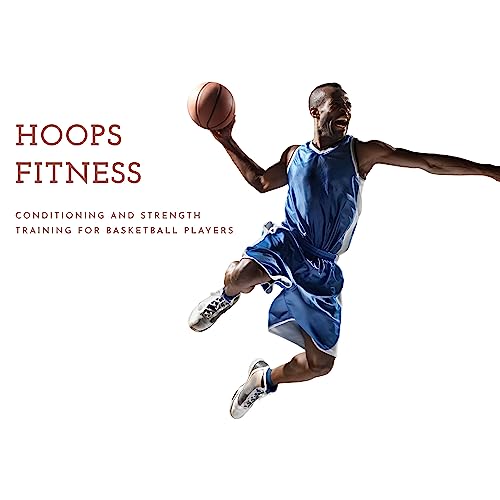

One fundamental exercise for basketball players is the squat, which engages the quadriceps, hamstrings, and glutes. Proper form involves keeping the back straight, lowering the body as if sitting back into a chair, and ensuring that the knees do not extend past the toes. A recommended approach is to perform 3 sets of 8 to 12 repetitions, gradually increasing weight as strength improves.
Another effective exercise is the deadlift, which targets the lower back, hamstrings, and core. To execute this, athletes should keep their feet shoulder-width apart, grip the barbell with both hands, and lift by pushing through the heels while ensuring the back remains straight. Like the squat, the deadlift can be performed in 3 sets of 8 to 10 reps, focusing on control rather than weight lifted.
In addition to lower body strength, upper body workouts are equally important. The bench press is a standout exercise for developing the chest, shoulders, and arms. Athletes should aim for a controlled descent and an explosive lift, with 3 sets of 8 to 10 repetitions being advisable. Incorporating exercises that build core stability, such as planks or medicine ball rotations, can also significantly benefit basketball players by enhancing their overall balance and agility.
Incorporating resistance training into a regular workout routine not only builds muscle but also improves metabolic efficiency, which can lead to enhanced on-court performance. Young athletes should consult with a coach or trainer to personalize their strength training program, ensuring it meets their individual needs while prioritizing safety and proper technique.
Endurance and Conditioning Drills
Endurance and conditioning are essential components of any basketball training regimen, particularly for athletes aged 12 and up who are aiming to excel in their sport. These two elements not only contribute to overall physical performance but also ensure that players can maintain their energy levels throughout the game. Implementing specific drills designed to enhance stamina and cardiovascular fitness is crucial for any aspiring basketball player.

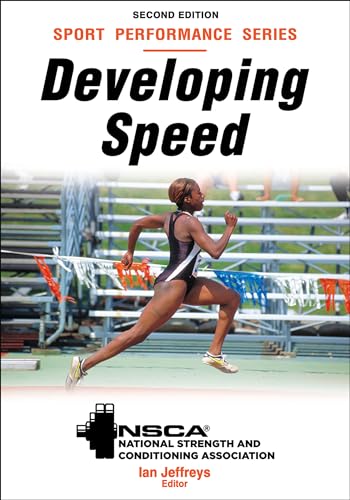


One effective drill is the suicide sprints. This exercise mimics the quick movements required on the basketball court, improving both speed and endurance. To perform this drill, players start at the baseline, sprint to the free-throw line, touch the line, and return to the baseline; they then sprint to the half-court line and back, proceeding to the far free-throw line, and finally to the opposing baseline. Performing multiple repetitions can significantly enhance a player’s endurance.
Another beneficial exercise is the interval running drill. Athletes can improve their stamina by running laps around the court at varying speeds—alternating between jogging and sprinting. For instance, sprint for one length of the court and then jog back, repeating this pattern several times. The strategic incorporation of high-intensity bursts followed by short recovery periods prepares athletes for the stop-and-go nature of basketball.
Additionally, incorporating plyometric exercises such as box jumps or burpees can further develop muscle endurance and agility. These movements not only build strength but also enhance the body’s efficiency in energy utilization, crucial for sustaining performance during a basketball match. Using a combination of these drills will lead to a comprehensive endurance training program tailored for basketball players, ultimately helping them achieve peak performance in their games.
Agility and Footwork Training
Agility and footwork are crucial components of basketball performance, as they significantly impact a player’s ability to maneuver on the court. Enhanced agility allows athletes to change direction quickly, maintain balance, and execute plays with precision. In basketball, the ability to react swiftly to the movements of opponents and teammates can often determine the outcome of a game. Therefore, focusing on agility and footwork training is essential for athletes aged 12 and up.

- Complete Speed & Agility Training Set: This premium agility training equipment set includes a 20ft adjustable speed ladd…
- Perfect For Kids, Teens & Adults: Ideal for athletes, coaches, beginners, and fitness enthusiasts, this agility ladder t…
- Adjustable Design & Quick Setup: The fixed-width speed ladder reduces tangling during drills, while the agility hurdles …
Implementing specific drills can improve an athlete’s quickness, reaction time, and foot coordination. One effective drill is the ladder drill, where players use an agility ladder to perform various footwork patterns. This drill helps increase foot speed and enhances the coordination necessary for quick bursts of movement. Another beneficial exercise is the cone shuffle, which involves setting up cones in a straight line and shuffling side-to-side between them. This drill improves lateral movement and promotes faster reaction times, essential for both defense and offense in basketball.
Incorporating these agility drills into a weekly training routine is crucial for sustained improvement. It is advisable to dedicate at least two to three days per week to agility and footwork training. Athletes should aim to spend approximately 15 to 30 minutes each session on these drills while varying the exercises to keep the training engaging and effective. Additionally, players can integrate gamified elements by competing with peers or using timers to add an element of challenge and motivation. Through diligent practice and adaptation of these drills, athletes can observe significant improvement in their agility and footwork, leading to enhanced overall basketball performance.
Developing Basketball Skills
Skill development is a crucial aspect of achieving peak performance in basketball. Athletes aged 12 and up can benefit significantly from focusing on fundamental skills such as shooting, dribbling, passing, and defensive techniques. Mastery of these skills enhances a player’s ability to contribute effectively to their team and improves individual performance levels.
Shooting is often the primary focus for aspiring basketball players. Developing a consistent shooting technique involves understanding body positioning, shot alignment, and follow-through. Practicing shooting drills, such as free throw routines and spot shooting, can help players refine their accuracy and increase their offensive effectiveness. Resources like training videos and guides can offer structured methodologies for athletes looking to enhance their jump shots and layups.
Dribbling is another fundamental skill that requires agility and control. Athletes should work on both stationary and moving dribbling drills to improve their ball-handling skills. Emphasizing crossovers, hesitations, and behind-the-back moves can add versatility to a player’s game, allowing them to navigate defenders more effectively during games.
Passing is equally essential; it determines how well a player can facilitate plays and maintain ball movement. Developing various passing techniques, including chest passes and bounce passes, enhances a player’s decision-making ability on the court. Drills that encourage quick release and precise targeting are particularly beneficial.
Lastly, defensive techniques should not be overlooked. Learning to position oneself effectively, stay low on defense, and anticipate the opponent’s moves can drastically impact game outcomes. Engaging in drills that focus on defensive positioning and footwork will prepare athletes for competitive scenarios. By establishing a comprehensive practice regimen, athletes can cultivate these essential skills, both through individual effort and collaborative team exercises.
Nutrition and Recovery for Young Athletes
Nutrition plays a pivotal role in maximizing athletic performance, especially for young athletes aged 12 and up. A well-rounded diet is essential to fuel the body effectively for rigorous training and competition. For optimal performance, young athletes should focus on incorporating a variety of whole foods that provide the necessary macronutrients—carbohydrates, proteins, and fats—as well as ample micronutrients.

Carbohydrates are crucial as they serve as the primary energy source during intense physical activities such as basketball. Foods such as whole grains, fruits, and vegetables should form the foundation of an athlete’s diet. It is advisable for athletes to consume complex carbohydrates, which provide a steady release of energy, helping to sustain performance during practices and games. I know this may seem like a lot, but you can add a lot of these fruits and vegetables to your diet by making smoothies. Smoothies are a tasty way of getting nutrition.

- Good source of vitamins C and B12
- 13 SERVINGS OF FRUIT PER BOTTLE
- No Sugar Added
Proteins are integral for muscle repair and recovery. Young athletes are encouraged to include a sufficient amount of protein in their diets from sources like lean meats, poultry, fish, beans, and legumes. Ideally, they should aim to consume protein throughout the day to support both growth and recovery in response to training stress.

- High-Protein Formula to Support Muscle Health – Delivers 24g of fast-absorbing 100% whey protein per scoop to support po…
- Enhanced Muscle Recovery With BCAAs – Includes naturally occurring BCAAs and EAAs that help get you back to your best, f…
- Optimized Support for Strength & Hypertrophy Goals – Whey protein isolate is the primary ingredient with excess carbs an…





Additionally, healthy fats, found in sources such as avocados, nuts, and olive oil, are essential for supporting overall health and should not be neglected in a young athlete’s diet. https://youtu.be/K2GEv3Eb_pY?si=wzTnIGqoZ5K-ViG6
Hydration is another critical factor that greatly influences athletic performance. Young athletes must engage in proper hydration practices, consuming fluids before, during, and after exercise to maintain optimal performance levels. Water should be the primary source of hydration, but electrolyte drinks may be beneficial during extended periods of intense training or competition.
Recovery is equally important and should include ample rest and sleep. Young athletes should aim for 8-10 hours of sleep each night to ensure adequate recovery and support growth. Strategies for active recovery, such as light exercise or stretching on rest days, can aid in muscle relaxation and reduce the risk of injury.
In conclusion, a balanced approach to nutrition and recovery strategies is essential for young athletes aiming to improve their performance in basketball and other sports.
Tracking Progress and Adjustments
Tracking progress is a critical aspect of any training regimen, especially for young athletes aiming to achieve peak basketball performance. Monitoring improvements not only helps in gauging physical advancements but also cultivates a sense of accountability and motivation. It is essential to establish a baseline at the commencement of the training program. This can be done through a series of evaluations, such as measuring endurance levels, strength capabilities, and skills proficiency. Regular assessment at strategic intervals—such as every month—allows the athlete to witness tangible results and maintain a high level of engagement in their training.

- PROFESSIONAL AIR COMPRESSION MASSAGE SYSTEM – QUINEAR leg recovery system is a full-leg massager machine with air compre…
- SMART SEQUENTIAL MASSAGE BOOTS – QUINEAR sequential compression device upgraded with built-in pressure sensor, which can…
- 8 INTENSITIES+3 MODES+3 ADJUSTABLE TIMER – The air compression device have 8 intensities (50-120 mmHG) and 3 air compres…
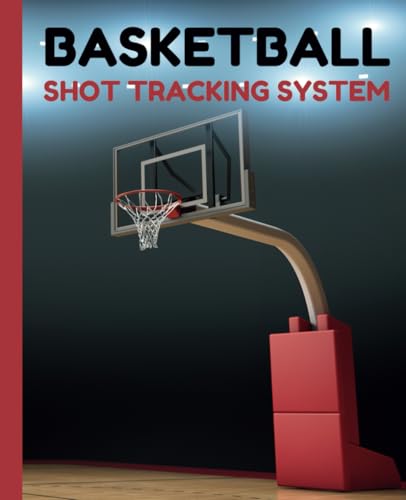


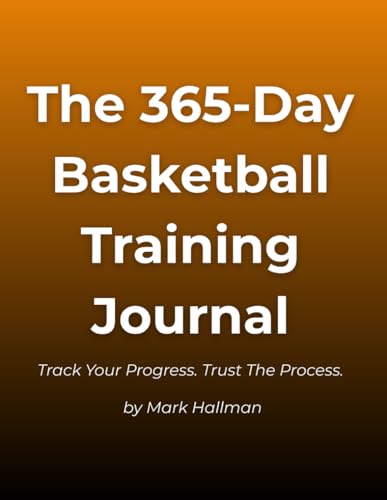
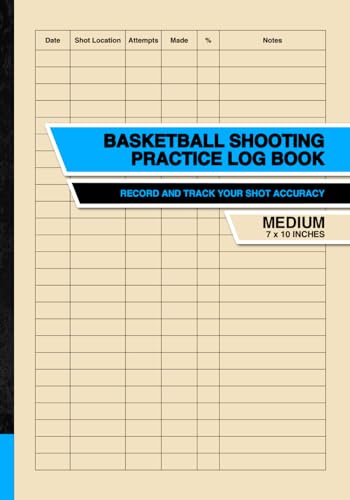
One effective method for tracking progress is maintaining a training log. In this log, young athletes can record their workouts, detailing exercises performed, times, weights lifted, and personal reflections on their performance. This practice not only provides a structured overview of physical enhancements but also encourages self-reflection which is vital for understanding individual growth trajectories. This self-assessment activity can shed light on particular areas that require additional focus, helping the athlete to better strategize future training.
Recognizing when to make adjustments is equally important. If progress stalls, or if the athlete consistently finds certain drills excessively challenging, it may signal a need to reassess the training plan. Factors such as fatigue, lack of interest, or physical limitations can necessitate modifications to prevent burnout or injuries. Additionally, incorporating feedback from coaches or peers can offer valuable insights into potential areas of improvement.
Ultimately, embracing a mindset of continual reflection and adaptation can foster long-term development in young athletes. By nurturing good habits, they can enhance their understanding of personal goals, adjust their training accordingly, and ultimately, uphold the path to achieving optimal basketball conditioning.